What is the Future of Electric Sports Motorcycles?
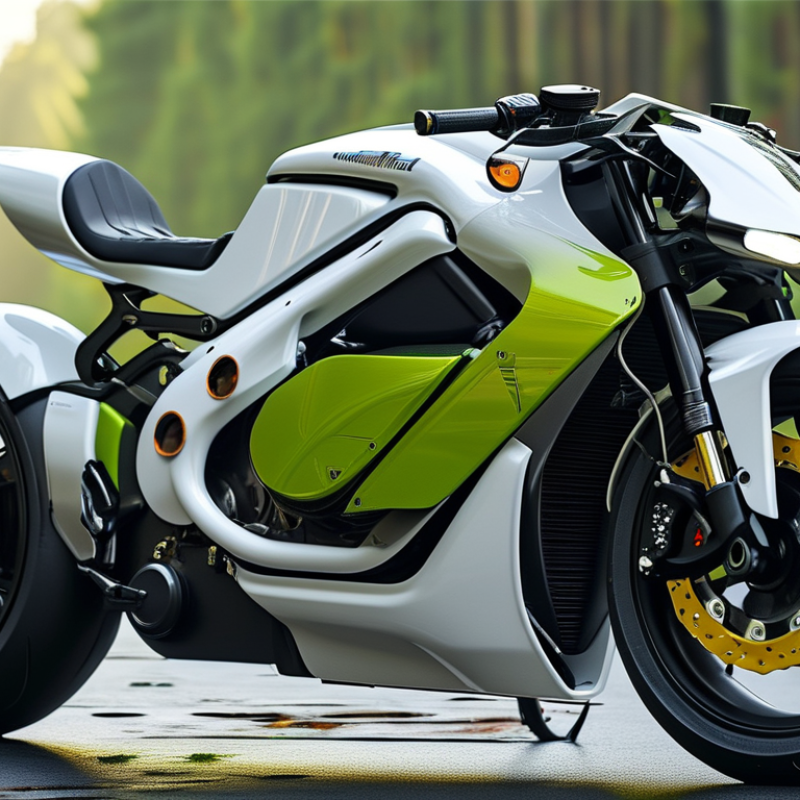
The world of Electric Sports Motorcycles is rapidly evolving. With advancements in battery technology and innovative design, these machines promise high performance and environmental sustainability. As more riders seek eco-friendly alternatives, the interest in electric options grows.
Electric Sports Motorcycles are not just about speed; they represent a shift toward a greener future. However, challenges remain. Infrastructure for charging and battery longevity are critical factors that need addressing. Some riders may be hesitant to embrace this change fully.
As we look ahead, understanding the trajectory of Electric Sports Motorcycles becomes essential. Their potential impact on the motorcycle industry and the environment is significant. Yet, it's important to acknowledge the hurdles that lie ahead for widespread acceptance. Reflecting on future developments will help shape a better riding experience for all.
The Current State of Electric Sports Motorcycles in 2023
The electric sports motorcycle market has seen significant growth in 2023. With technological advancements, manufacturers are producing bikes that rival traditional gas-powered models. The acceleration is impressive, often outpacing gas engines in performance metrics. Riders are drawn to the instant torque and smooth handling of these electric bikes. However, there are concerns regarding range and charging infrastructure.
Charging times can be lengthy, which impacts usability for many riders. While advancements have addressed some of these issues, the convenience of gas stations remains unmatched. The weight of electric components can also affect handling compared to lighter traditional motorcycles. Riders must continually adapt to these changes as manufacturers innovate.
Customization remains limited with electric models. Many enthusiasts enjoy personalizing their motorcycles, but options can be sparse in the electric realm. The community support for users is growing, but still, there is room for improvement in materials and design. As the industry evolves, riders will need to navigate both the excitement and the challenges of this emerging field.
What is the Future of Electric Sports Motorcycles? - Current Trends in 2023
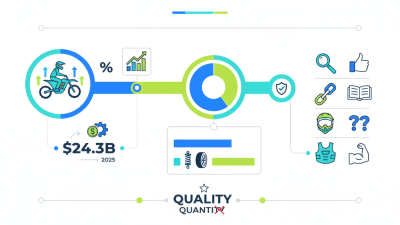
This chart illustrates the projected growth in sales of electric sports motorcycles from 2021 through 2025. A significant upward trend is evident, especially in the years 2023 to 2025, reflecting the increasing popularity and adoption of electric vehicles in the sports motorcycle segment.
Key Technological Advancements in Electric Motorcycle Engineering
The future of electric sports motorcycles looks promising, shaped by key technological advancements in engineering. Battery development stands at the forefront. Modern lithium-ion batteries have made significant strides, offering higher energy densities. This means that riders can enjoy longer ranges without frequent recharges. Enhanced charging technologies are also emerging, providing quicker pit stops, vital for competitive environments.
Motor controllers are another critical aspect of electric motorcycle design. They effectively manage power delivery to the electric motors. Innovations in this area lead to smoother acceleration and improved handling. Riders can experience a more refined performance, crucial for the sports category. However, as systems become more advanced, durability and maintenance must be scrutinized. Compatibility with diverse terrain and user experience continues to be a concern.
Electric sports motorcycles also benefit from advanced lightweight materials. The use of carbon fiber and aluminum reduces overall weight. This enhances speed and agility but raises questions about cost and accessibility for manufacturers. Maintenance of these materials also requires careful consideration to ensure long-term performance.
Explore various aspects of electric motorcycle design. Keep updated with the latest trends in battery technology and materials. Consider how these advancements align with your riding experience and goals.
What is the Future of Electric Sports Motorcycles? - Key Technological Advancements in Electric Motorcycle Engineering
| Advancement |
Description |
Impact on Performance |
Estimated Adoption Year |
| Battery Technology |
Improvements in energy density and charging times |
Increased range and faster recharging capabilities |
2025 |
| Regenerative Braking |
Technology that recovers energy during braking |
Enhanced efficiency and extended battery life |
2024 |
| Lightweight Materials |
Use of carbon fiber and advanced alloys to reduce weight |
Improved agility and performance |
2023 |
| Smart Connectivity |
Integration of IoT and advanced telematics |
Enhanced rider experience and vehicle maintenance |
2026 |
| AI-Assisted Riding |
Use of AI for safety features and optimizing performance |
Increased safety and tailored riding experience |
2027 |
Market Trends: Sales Projections and Consumer Demand for Electric Bikes
The electric sports motorcycle market is witnessing significant growth. Recent industry reports predict that sales could reach over 1.5 million units by 2026. This surge is fueled by rising consumer demand for sustainable transport and the increasing availability of high-performance electric models.
Consumer interest is shifting towards eco-friendly alternatives. A 2023 survey revealed that 70% of potential buyers prioritize sustainability in their purchasing decisions. However, many still express concerns about charging infrastructure and battery performance. Addressing these issues will be key to tapping into the broader market.
The market landscape is also changing. Governments worldwide are offering incentives to promote electric vehicle adoption. This policy support could enhance sales further. Yet, manufacturers face challenges in scaling production and ensuring reliability in performance. Continuous innovation and consumer education will be essential to overcome these hurdles as the industry evolves.
Environmental Impact: Emissions Reduction and Sustainability in Motorcycling
The shift towards electric sports motorcycles is not just about performance; it's also about reducing environmental impact. A report by the International Energy Agency indicates that the transport sector contributes approximately 14% of global greenhouse gas emissions. Transitioning to electric motorcycles could significantly cut this number. Electric bikes typically produce zero emissions at the source, making them a cleaner alternative.
However, challenges remain. The production of lithium-ion batteries, essential for electric motorcycles, has its own environmental concerns. A study found that battery manufacturing can lead to significant carbon footprints. Plus, sourcing materials from mining operations often raises ethical questions. As the market evolves, manufacturers must prioritize sustainable practices. This includes improving battery recycling processes and exploring alternative materials.
Public perception also plays a role in the transition. Some riders still prefer traditional gas-powered models, often due to concerns about range and charging infrastructure. A survey showed that 35% of potential buyers hesitate to switch because of insufficient charging stations. Overcoming these issues is crucial for wider adoption. While electric sports motorcycles are an exciting prospect, ensuring their sustainability requires ongoing effort and innovation.
Future Innovations: Battery Technology and Charging Infrastructure Developments
The future of electric sports motorcycles hinges significantly on advancements in battery technology and charging infrastructure. Current batteries can take hours to charge fully, often limiting road trips. However, innovations are underway. Solid-state batteries promise faster charging times and greater energy density. This shift could allow riders to travel longer distances with fewer stops.
Another aspect to consider is the development of charging networks. High-speed charging stations are becoming more common. This makes it easier for riders to find quick-relief options during long journeys. Yet, challenges remain. This infrastructure is not ubiquitous, posing range anxiety for potential customers. More investment is needed for widespread accessibility.
As these technologies evolve, they still require reflection. Battery recycling remains a pressing issue. The environmental impact of sourcing materials must be addressed. Additionally, charging time and availability might continue to deter some riders. The motorcycle community must stay engaged in discussions to shape the future. Balancing innovation with sustainability will be central to the industry's growth.